Hasta
25%Discount


We accept



Departures from Nazca
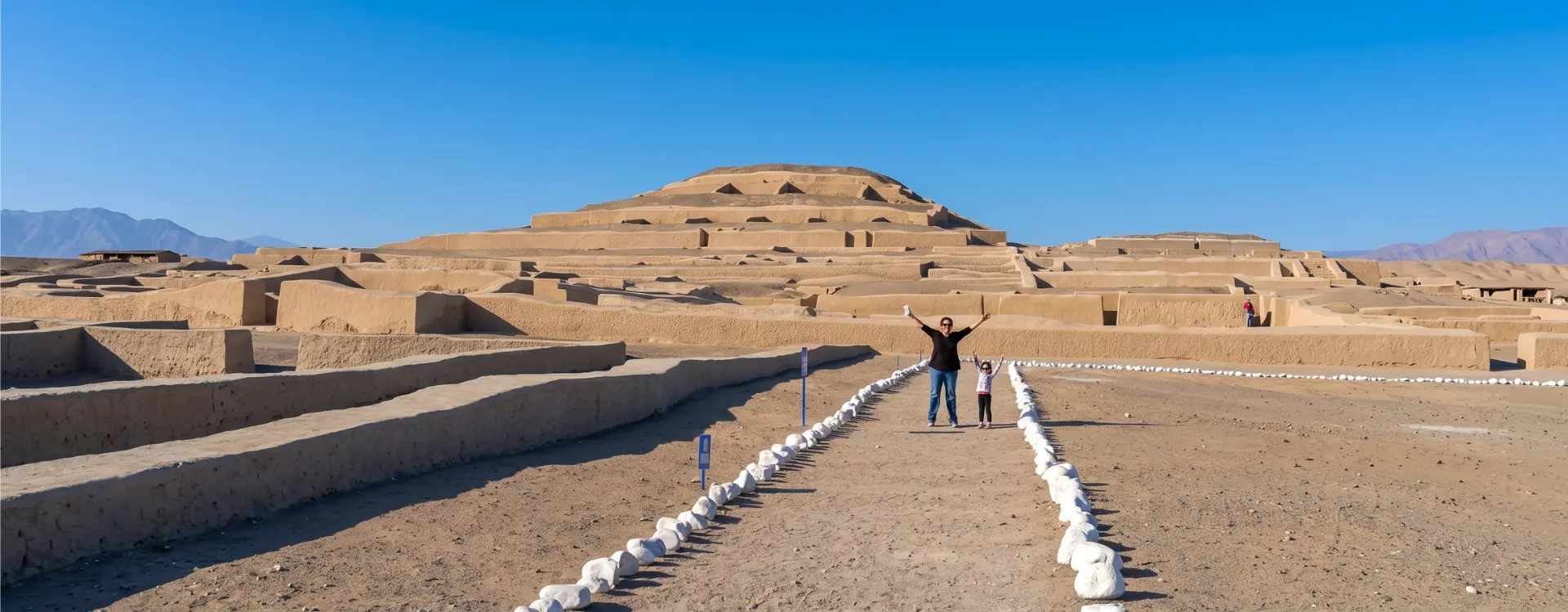
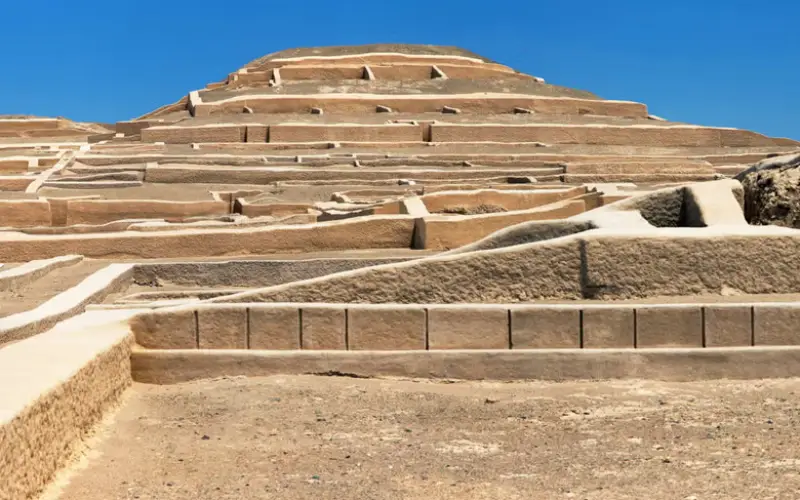
With the tour “Visit the Antonini Museum in Ica”, you can visit the largest ceremonial center of adobe cahuachi in the world and the Antonini Museum; a didactic museum where we can see a collection of archaeological pieces of the different stages of the Nazca culture.
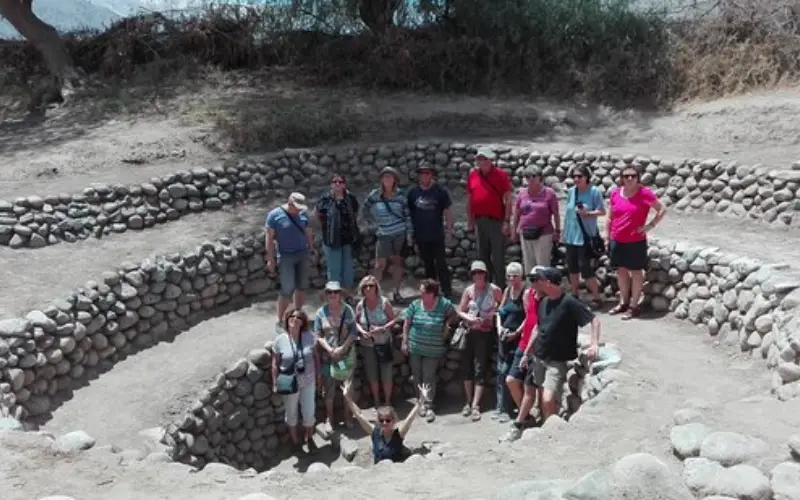
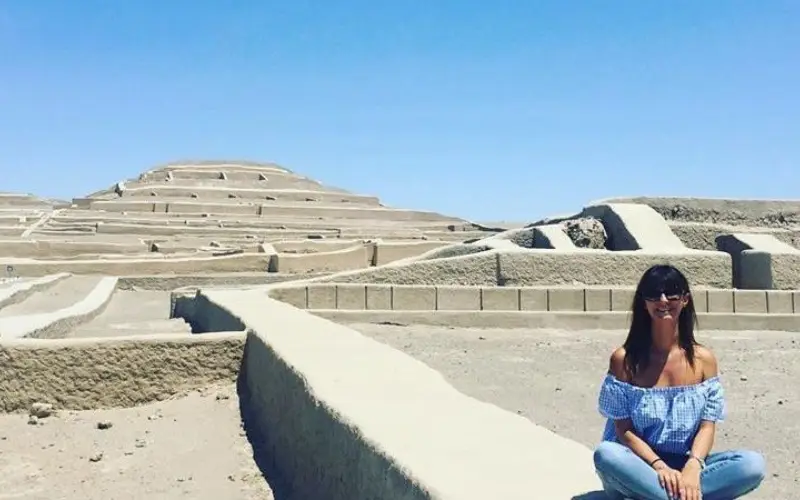
CAHUACHI, was a ceremonial center of the Nazca civilization from the first to the sixth century, located about 30 km from Nazca, near the famous lines. Its name means the place where the seers live.
The resident population was small, because Cahuachi served primarily as a ceremonial center for events that may have included the Nazca lines and the giant sand dune (Cerro Blanco). Archaeological clues support the theory of function as a pilgrimage site.
THE ANTONINI ARCHAEOLOGICAL MUSEUM is located in Nazca. It contains a large part of the findings recovered by the Italian mission called Nazca Project 1982-2011. The Antonini Archaeological Museum, managed by the Centro Italiano Studi e Ricerche Archeologiche Precolombiane (CISRAP) under the direction of the Italian archaeologist Giuseppe Orefici, preserves and studies the archaeological heritage of the Nazca area, coming from the archaeological research work that has been carried out in the ceremonial center of Cahuachi and other important sites of the Nazca River Valley since 1982.
The three large rooms that follow are dedicated to a rich exhibition of ceramics, textiles, bone artifacts, shell, wood, clay, basketry works, pyrography gourds, bone and plant remains, the museum has some reconstructions of masonry elements, columns, typical stairs, even the simplest diaphragms, such as quincha walls.
Textiles, one of the arts in which the Nazca achieved great prestige, is also represented by some pieces that are unique for the iconographic elements that characterize them. The music also had great importance especially if we consider it as an element during the ceremonies officiated in Cahuachi or during actions related to funeral rites. The museum has one of the most important sets of ceramic antaras in the world. The last room includes materials belonging to the middle and final phases of Nazca.
BREAKFAST – HOTEL / LUNCH and DINNER – PASSENGER
INCLUDES:
NOT INCLUDED:
RECOMMENDATIONS:
GROUP SERVICE TOURCahuachi & Antonini Museum PRICE PER PERSON Minimum 02 persons |
|
GROUP SERVICE TOUR
|
|
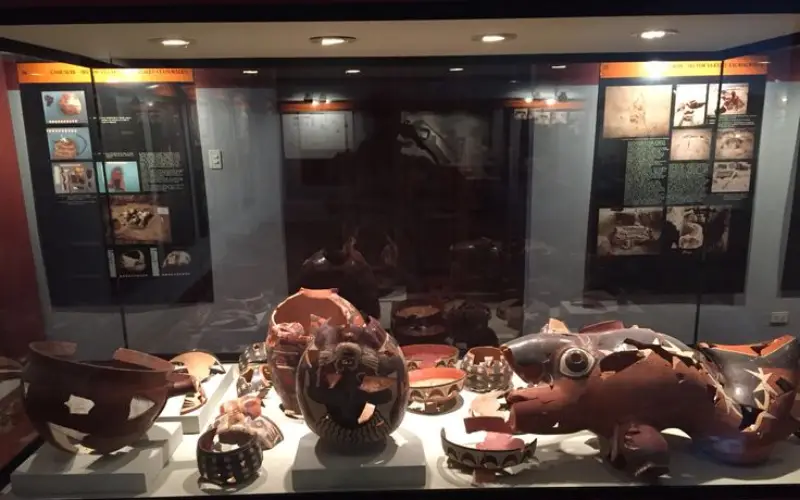
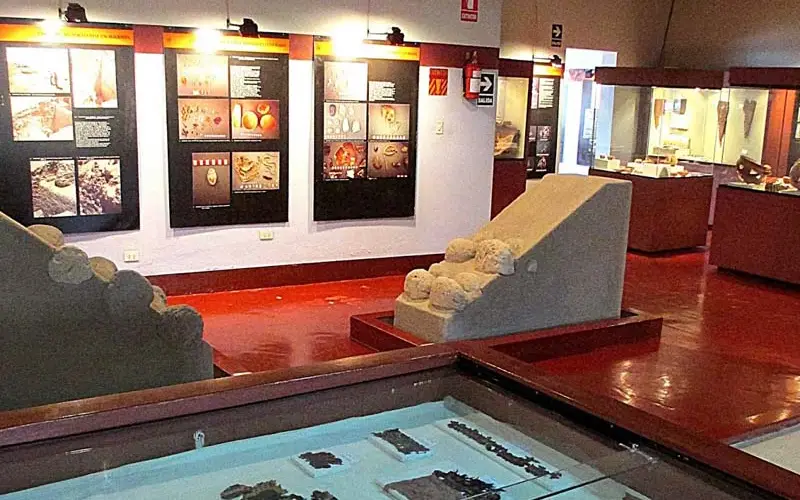
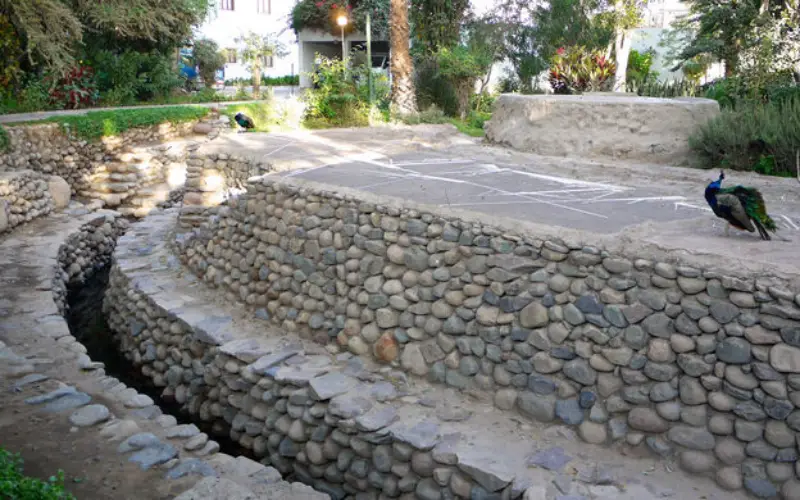
The Antonini Museum houses a collection of archaeological artifacts from different stages of the Nazca culture, including trophy heads, musical instruments like antaras, textiles, and funerary bundles.
The significance of Cahuachi lies in its vast expanse of 24 square kilometers, which includes pyramids and temples. For nearly a millennium, this ceremonial center was the epicenter of Nazca culture. It consisted of a series of pyramids located a short distance from the enigmatic Nazca Lines. Cahuachi played a crucial role in conducting ceremonies associated with the Nazca Lines.
The climate in Nazca is predominantly warm and arid, with a dry season ideal for visiting during the months of April to November. During the rainy season, which spans from December to March, you may encounter sporadic rains. However, overall, Nazca is a popular tourist destination year-round due to its fascinating archaeological heritage and the mysterious Nazca Lines.
For a successful trip to Nazca, make sure to pack these essentials: lightweight clothing, sunscreen, a hat, sunglasses, comfortable footwear, insect repellent, camera and accessories, cash, a bag or backpack, and a reusable water bottle. Adjust your list based on your specific needs and planned activities. Enjoy your journey!
The main attractions you can explore in Nazca include:
These destinations offer a variety of cultural, archaeological, and adventure experiences in Nazca.
¿Questions? CHAT WITH US
BOOK YOUR NEXT ADVENTURE
Our travelers rate this program with |
/5 |