




The Pisac Handicrafts Market
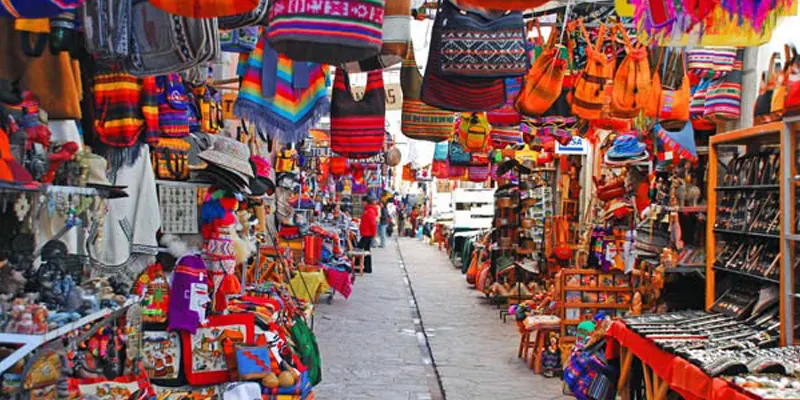
In the wide range of Peruvian cultures we find the most apotheosis: The Inca Culture, thanks to its emblematic natural, cultural and of course architectural wonders is that we know much more of this great culture.
In the Cusco region we find different samples of this culture and some of these samples are mainly textiles and ceramics; this time we will know a little of these samples in the Pisac Handicrafts Market.
The word Pisac (or Písaq) comes from the Quechua word pisaq or p’isaqa, which means “partridge”, this beautiful archaeological site built by the ancient Incas is based on figurative traces of a partridge, as its name suggests. We must remember that the bird is related to spirituality, to mysticism, to the spiritual values that the human being must develop.
Handicrafts Market in Pisac

During the empire of the Incas, Pisac had great agricultural importance due to its fertile lands bathed by the Urubamba River and organized with great intelligence this great wealth by building terraces in the mountains; these were used to grow corn, quinoa, potato, kiwicha, etc..
The chronicles of the conquest show that the main square soon became an important commercial area and later, the market we know today.
Today the Pisac market extends to the main square of Pisac, but it also extends to the alleys around it.
During weekdays the Pisac market is small; however, the market is much larger on Sundays because on this day the townspeople themselves and the surrounding communities offer all services including food stalls, fruits, organic vegetables and even some stalls with strange concoctions, used since Inca times.
Handicrafts:
The handicrafts section of the market is full of items and garments related to the Inca culture, it can be the ideal place to buy gifts or souvenirs.
Here you will find different types of hand-woven products made with fine wool from alpaca, sheep and other camelids of the region; note that you can bargain in this market.

Textiles
Textiles are one of the most representative crafts of Pisac. Made from alpaca and sheep wool, the weavings include blankets, ponchos, chullos (Andean hats), and bags. The designs often reflect traditional symbols and patterns of the Inca culture.
Jewelry
The jewelry in the Pisac market is equally impressive. Artisans work with silver and semi-precious stones such as turquoise and quartz to create necklaces, bracelets, rings, and earrings. Each piece is unique and handmade, making them special souvenirs.
Ceramics
Ceramics are another specialty of Pisac. Local artisans produce a variety of objects, from vases and plates to decorative figurines. Many of these items are adorned with Andean motifs and vibrant colors.

The Meals:
Take your time to go through the food section as you will be able to find native and organic products, such as native potato, corn, rocoto, a kind of very spicy bell bell pepper; likewise the different fruits such as Pacay (an uncommon fruit), peach or peach tree, grapefruit, etc.
Location of the Pisac market:
In Pisac market is located 33 km from Cusco (1 hour approximately) in the same town of Pisac; this visit can be done during the tour to the Sacred Valley.
Climate in Pisac:
During the year there are two seasons:
In winter (April to September) the temperature ranges from 2° to 20°C with a magnificent blue sky during the day and a drop in temperature at night.
In summer (October to March) there are constant rains and the temperature varies between 7° and 21°C.
Pisac is part of the Sacred Valley of the Incas tour so the climate is usually mild during most of the year, with some ups and downs in certain periods.
How to get to the Pisac market?
You can get there by hiring the services of a travel agency, the most recommended option; this market belongs to the tour to the Sacred Valley.
But you can also use the public transportation that goes to the city of Urubamba that leaves every 15 minutes, you must get off at the bridge of the bus stop and from there you must go to the square of Pisac, the market is on one side.
Recommendations:
- Wear comfortable clothes and with the constant changes in temperature, do not wrap up too much as it affects much more the altitude sickness.
- Apply sunscreen at least every 2 hours.
- Do not leave garbage in the place, take care of the environment.


